

“Don’t hate the media, become the media.” That was the slogan of Indymedia, a far-left alternative media network founded in 1999 amid the anti-globalization protests in Seattle. In Italy, it became a hub for squats and other activist spaces, as well as for radical left-wing movements, which used it to circulate calls to action, coordinate protests, and publish material about their political opponents. What was presented as “antifascist monitoring” had a less reassuring name for those who found their names and photos made public because they belonged to a right-wing movement. They called it keeping files on political opponents.
A quarter century later, the slogan deserves more attention than the organization itself. That generation of the left understood that becoming the media meant gaining the power to decide which events would make the news and what language would be used to describe them. Some of that language made its way into mainstream journalism, and you can still see where it came from in the way different sides are treated. If you’re on the right, “extremist” can be the first word in the headline, before readers even know what happened. If you’re on the approved side, “activist” can be enough to make conduct sound respectable that, with the roles reversed, would prompt a debate about whether democracy itself was under threat.
There’s nothing wrong with a newspaper having a clear editorial line. Readers who buy a paper on the right or the left know exactly what they’re buying. The trouble begins when one side claims the privilege of speaking for neutrality and treats everyone else’s ideas as if they first had to pass an admissibility test. The double standard begins with who is asked to explain themselves. A conservative who raises the issue of illegal immigration may be asked to defend himself against accusations of xenophobia before anyone gets around to his proposal. A left-wing politician who marches alongside an Islamist group is far less likely to be asked how he reconciles his advocacy for rights with his fellow marchers’ views on women, religious liberty, or freedom of speech. If any contradiction deserves a follow-up question, surely that one does.
Consider how a newspaper page comes together. If a conservative proposal is covered through the outrage it provoked, while a progressive cause is covered through the good intentions of those behind it, two articles can be factually accurate and still leave readers with a distorted picture. In one case, readers are shown why they should be outraged. In the other, they’re invited to understand the reasoning behind the cause. Repeated day after day, that difference can have a more lasting political effect than a partisan editorial, because it shapes readers’ judgment when they think they’re simply reading the news.
On September 8, 2002, The New York Times ran a front-page story by Judith Miller and Michael Gordon linking aluminum tubes Baghdad was seeking to buy to a uranium enrichment program, based on information from U.S. officials. That same morning, Vice President Dick Cheney went on television and cited the story to support the case that Iraq posed a nuclear threat. The newspaper had taken the administration’s claims seriously, and hours later the administration was invoking the newspaper’s credibility. To viewers at home, it looked like two independent confirmations, even though the second had simply taken the long way around to the first.

The Niger uranium scandal was part of the same campaign. On March 7, 2003, Mohamed ElBaradei told the United Nations Security Council that the documents purporting to show an agreement for Niger to sell uranium to Iraq were forgeries. The finding came before the invasion, but only after months in which public debate had largely taken Saddam Hussein’s nuclear threat as a given. By then, those making the case for war had secured a decisive advantage.
The debate was already about how to confront the threat, and anyone who went back to asking what evidence established that it existed could be dismissed as someone who insisted on asking the wrong question. That episode involved a Republican administration and a major American newspaper, which is precisely why it’s worth remembering. Whoever holds power stands to benefit when the press accepts the premises of their argument.
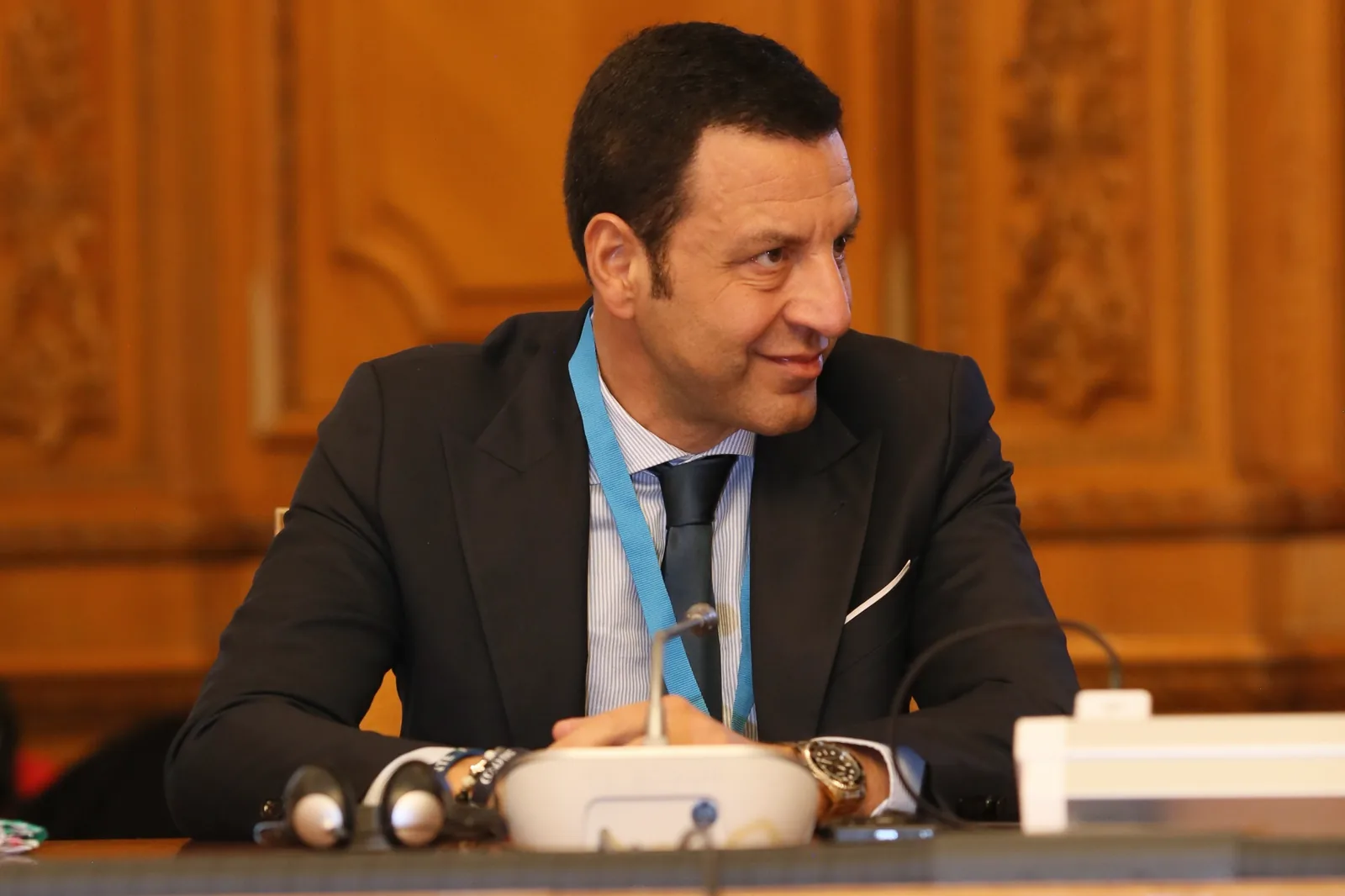
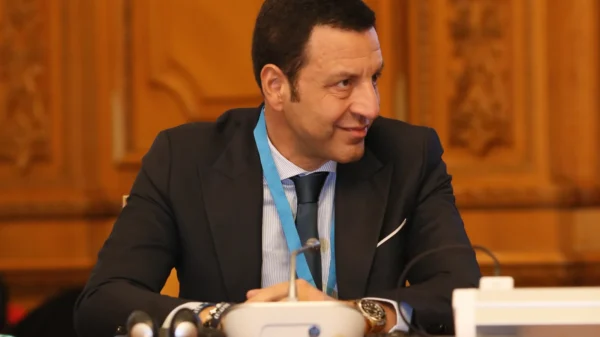
I spoke about this on Sunday at the Europe Forum, held at Romania’s Palace of Parliament in Bucharest. The shift from top-down journalism to the open exchange of the internet gave many more people a chance to speak without waiting for an editor’s approval, but it also handed platforms some of the power to determine what we see. You used to be able to put two newspapers side by side and see what each editor had chosen to emphasize.
Today, each of us gets a different front page, refreshed by the minute, and it can show us the same story five different ways until we’re convinced the whole country is talking about it. When newsrooms mistake a story’s popularity for its importance, algorithms reinforce old habits of editorial conformity, and readers have less time to notice that five different headlines lead back to the same source.
SWG’s November 9–15 Radar report, based on an online survey conducted November 11–13 among a nationally representative sample of 800 Italian adults, gives a sense of how deep the distrust runs. Just 16 percent see traditional media as a reliable safeguard against disinformation, while 33 percent believe they spread it deliberately and 38 percent think that, even when they’re trying to do their jobs, they often amplify falsehoods that originated online. That 38 percent should worry a newsroom more than any accusation of bad faith, because these respondents are willing to grant journalists good intentions and still doubt the results. The poll measures distrust. The political imbalance can be seen in the everyday choices newsrooms make, from the questions they put to their guests to the stories they stop following when the facts start to embarrass the side they feel closest to.
As for readers, 76 percent worry that other people will be influenced by disinformation, while 41 percent recognize the risk for themselves. Yet 42 percent say they have trouble spotting a false news story, and four in ten say the same about AI-generated images, audio, and video. Judging by those answers, nobody understands the dangers of propaganda quite as well as someone who’s convinced it works on the neighbor.
That’s one way our judgment gets weaker. We leave it to others to decide what deserves our attention, then give the story that confirms our views a pass on the checks we’d demand of every other story. The recent bomb threats have reminded us how real the consequences of a false alarm can be, from a school evacuation to the fear of a family waiting for news. In hybrid warfare, what happens afterward matters, too. Once distrust extends to the people who can establish the facts, even a correction backed by evidence can be dismissed as just another faction’s version of events.
Conservatives should take the verb in that old slogan seriously. We can keep asking for a seat on television panels where the question is often already written on the screen, or we can invest in what makes a newsroom capable of doing real work. That means paying reporters, giving them weeks to pursue an investigation, staying with a story after everyone else has moved on, and publishing the documents in full even when one of those pages makes someone on our own side look bad. A conservative news outlet earns its place when it uncovers facts its readers, on the right or the left, wouldn’t otherwise know. And the day even the newspaper that calls us extremists has to lead with one of our investigations, we’ll have learned the lesson worth taking from Indymedia and given readers something better than a choice of which account to believe. We’ll have given them the means to check it for themselves.














You must be logged in to post a comment Login